

Buying a laser welder is not just another equipment purchase—it’s a long-term investment that affects productivity, weld quality, operational costs, and even customer satisfaction.
With more laser welders for sale than ever, it’s easy to make the wrong choice. Selecting the wrong machine can lead to issues such as:
- Poor weld penetration or weak joints
- Inefficiency and wasted time
- Excessive maintenance or downtime
- Misalignment between machine capabilities and your actual workflow
To avoid these pitfalls, you must understand what truly matters before committing to a laser welding system.
Define Your Welding Needs First
Before comparing brands or specifications, clarify your core requirements.
Material Types
Laser welding performance varies by material:
- Stainless steel
- Carbon steel
- Aluminum
- Copper
- High-reflectivity alloys
Steel and stainless steel typically weld easily. Aluminum and copper, however, require higher power or fine-tuned settings due to reflectivity and heat conductivity.
Material Thickness & Geometry
Different jobs require different penetration capabilities:
- Thin sheets (e.g., 0.5–2 mm)
- Medium plates (3–8 mm)
- Thick structural sections
- Curved/angled parts or precision components
Understanding these shapes and thicknesses ensures you select a machine with adequate power and beam quality.
Production Scale & Application Type
Define your daily workflow:
- Small batch / repair / on-site → lower duty cycle acceptable
- Mass production / continuous welding → high stability required
- Precision work → narrow seams, controlled heat input
- Heavy-duty use → strong penetration, robust cooling
Weld Requirements
Are you focused on:
- Penetration depth?
- Seam appearance and aesthetics?
- Speed and throughput?
- Repeatability and consistency?
Your priorities directly influence which features matter most.
Core Technical Specifications & Machine Performance
Laser Power & Output Mode
Power determines material thickness capability. In general:
| Laser Power | Typical Usage |
| 1,000–1,500W | Thin to mid-thickness metals, general fabrication |
| 2,000W | Moderate thickness, daily workshop use |
| 3,000W+ | Heavy-duty, thick plates, industrial environments |
Consider:
- CW (Continuous-Wave) lasers for deep penetration
- Pulsed lasers for thin or delicate materials
Choosing the right power ensures you don’t overpay for unnecessary capability.
Laser Type & Beam Quality
Most laser welders for sale today use fiber lasers, preferred for their:
- Energy efficiency
- High reliability
- Strong weld penetration
- Low maintenance requirements
Better beam quality results in tighter focus, cleaner seams, and consistent weld strength—key for high-quality fabrication. This improvement also accelerates innovation by enabling manufacturers to push the limits of precision and efficiency in modern welding processes.
Cooling System & Duty Cycle
Cooling affects durability and uptime:
- Air-cooled models → best for light to medium-duty, portable work
- Water-cooled systems → needed for continuous-duty or high-power operation
Duty cycle reveals how long the machine can operate before cooling is required. High-volume shops must prioritize stability and heat management.
Machine Type, Usability & Automation Options
Options include:
- Handheld laser welders – flexible, mobile, simple to use
- Benchtop units – ideal for precision workflows
- Automated or robotic systems – best for repetitive, high-volume operations
Evaluate:
- User interface clarity
- Training requirements
- Ergonomic gun design
- Automation upgrades for future scalability
Additional Features, Accessories & Consumables
Laser welders rely on a variety of consumables and components:
Consumables & Spare Parts
Ensure availability and cost-effectiveness of:
- Lenses
- Nozzles
- Gas accessories
- Cleaning tools
A machine is only reliable if its parts are easy to service.
Safety Features
Laser welding requires:
- Eye protection
- Shielding / closed design where applicable
- Emergency stops
- Interlocks
- Ventilation or extraction systems
Safety compliance is non-negotiable.
User Friendliness
Look for:
- Clear documentation
- Intuitive controls
- Preset welding modes
- Quick learning curve
This minimizes training barriers for new operators.
Supplier & Manufacturer Considerations
Supplier Reliability & Manufacturing Quality
Reputable manufacturers will demonstrate:
- High-quality build standards
- Consistent output testing
- High-grade laser sources and optics
- Good track record in industrial environments
This ensures long-term performance and productivity.
After-Sales Service, Warranty & Support
Before choosing from available laser welders for sale, confirm:
- Spare parts availability
- Technical troubleshooting support
- Maintenance guidance
- Operator training
- Warranty coverage
A strong support network protects your investment.
Sample Weld Tests
A reliable manufacturer should offer:
- Live demos
- Trial welds on your materials
- Performance analysis
This helps verify real-world suitability before purchase.
Budget, Total Cost of Ownership & ROI
Consider the Full Lifecycle
Laser welders vary widely in price. Don’t judge machines solely by upfront cost. Consider:
- Energy consumption
- Consumable usage
- Maintenance requirements
- Expected lifespan
- Workforce efficiency gains
- Reduction in rework or scrap
Laser welding often pays for itself through faster output and cleaner welds.
Avoid Over- or Under-Specification
Buy a machine that matches your workload:
- Too much power = unnecessary expense
- Too little power = limited capability, reduced productivity
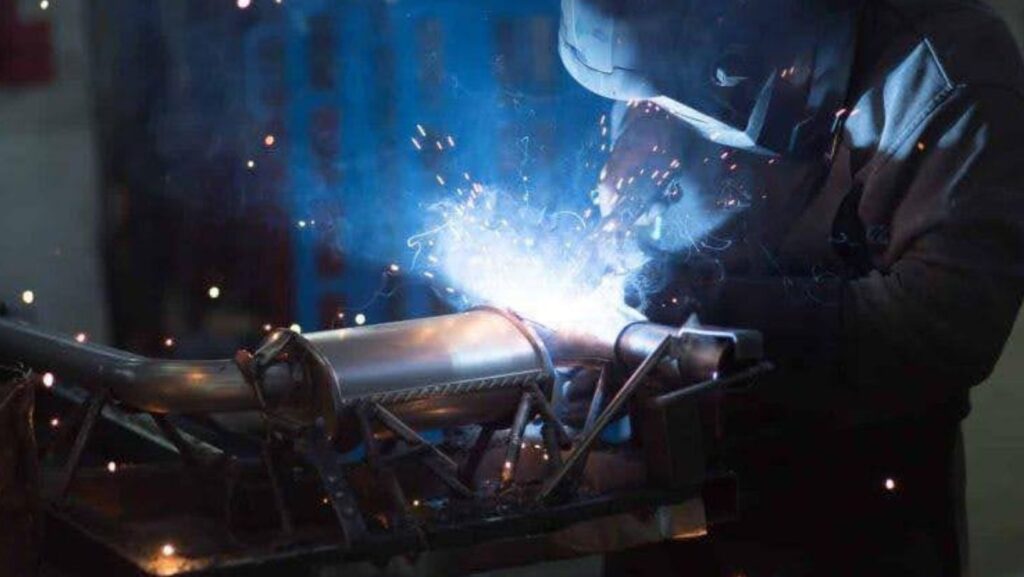
Proper configuration yields optimal return on investment.
Practical Considerations Before Purchase
Material Compatibility
Confirm the machine can reliably weld:
- Reflective metals
- Multi-layer components
- Different thicknesses
Environmental Requirements
Laser welding environments may require:
- Stable power supply
- Ventilation or fume extraction
- Shielding gas systems (if applicable)
Operator Readiness
Even high-end machines need:
- Proper joint fit-up
- Clean surfaces
- Correct parameters (power, speed, focus)
Training improves weld quality and reduces wasted material.
Requesting Sample Welds
If possible, ask the supplier to test weld your actual:
- Materials
- Joint configurations
- Thicknesses
This ensures the machine meets your real-world needs.
Summary / Buyer’s Checklist
Before choosing among laser welders for sale, confirm:
- Material types & thicknesses you’ll weld
- Required power, beam quality & cooling type
- Machine format: handheld, benchtop, or automated
- Safety systems & documentation
- Consumable availability
- Supplier reliability & support quality
- ROI, uptime, and long-term value
For many buyers, partnering with a trusted supplier—such as Denaliweld—provides confidence that machine specifications, support quality, and daily workflow needs will align.
Conclusion
Investing in a laser welder can dramatically improve productivity, weld consistency, and long-term profitability—but only when you choose the right model and manufacturer. By defining your needs, evaluating core specifications, checking supplier support, and understanding long-term costs, you can make a smart, informed purchase that delivers reliable performance for years.
Today’s wide range of laser welders for sale makes the decision both exciting and challenging. Take your time, compare carefully, request test welds, and select a machine that aligns with your daily operations. With the right choice, your workshop gains speed, precision, and efficiency—setting you up for long-term success.